
Usucaption of a car when the owner is deceased
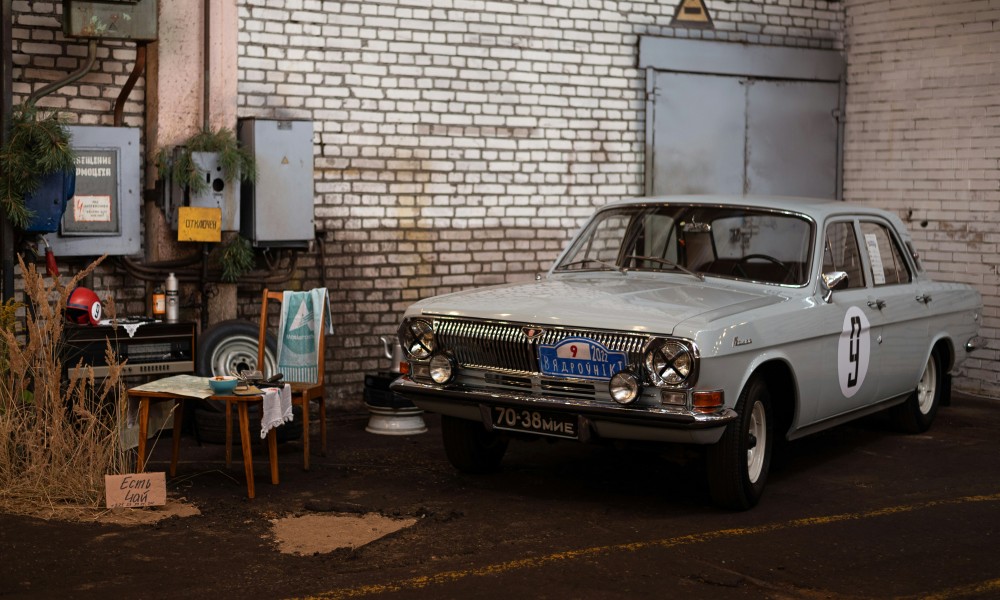
What really happens and how do you get car ownership?
Some stories begin quietly. A car parked in a garage for years, an old scooter left in a courtyard, a boat no one claims anymore. Objects that seem suspended, as if time had forgotten them. Then comes the question, always the same: "Can I become the owner?"
Or when an asset has been sitting in a condominium courtyard for years, taking up space and causing discord among the residents.
When the owner is dead and there are no heirs, the answer is not immediate. It is necessary to understand what happens to those assets, who becomes their owner, and what tools the law provides to those who have owned them for a long time. This is where adverse possession comes in.
Usucaptioning a car is possible, but it's not automatic
Usucaption is an ancient institution that rewards those who act as owners for a sufficiently long period of time, without dispute. For registered movable property, the law distinguishes two paths.
The abbreviated 3-year adverse possession is the quickest route, but requires a title: a document that justifies possession, even if invalid. It can be an unregistered sales contract, an incomplete private deed, or a declaration of delivery of the vehicle. If the title exists, three years of continuous, public, and peaceful possession is sufficient.
The ordinary 10-year adverse possession, governed by Article 1162 of the Civil Code, is the most common route. It is necessary to demonstrate having owned the vehicle for ten years, without interruption, without disputes, and with behavior consistent with that of an owner.
In both cases, possession must be exclusive. No one else must have claimed the property.
However, it does not complete itself. A court ruling confirming the purchase is required.
What does “behaving as an owner” mean?
The judge looks at the quality of possession. Everything that demonstrates a stable and responsible relationship with the asset counts:
- who looked after it
- who paid for maintenance, repairs, and storage
- who used it
- who incurred documentable expenses
- who prevented others from using it
- who can testify to the situation
Usucaption rewards those who cared for, managed, and protected the asset.
When the owner dies without heirs
When a person dies without heirs, their estate does not vanish, But it enters a sort of legal limbo. The law provides that the deceased's assets first become inactive inheritance, then vacant inheritance, and finally become the property of the State. This applies to everything: real estate, bank accounts, personal items, and, of course, registered movable property such as cars, motorcycles, and boats.
The State, however, does not physically intervene in every single asset. It does not remove the car from the garage or the boat from the port. It remains the owner "on paper," while the asset remains where it is. And it is precisely in this space that adverse possession can arise.
If a vehicle is left on the street, it cannot be "owned." The law requires it to be reported to the authorities, who can remove it as waste or an abandoned vehicle. But ownership is not acquired.
Adverse possession requires full possession, not a simple discovery.
Why consult a professional?
Adverse possession is a complex matter, where every detail counts, like a receipt, a testimony, a date, a forgotten document. The Agenzia delle Successioni, through its professionals, can assess the solidity of possession, build evidence, manage mediation and judgment, and handle the final transcription.
It is the only way to transform 'de facto' possession into 'de jure' ownership. If you'd like to find out if your situation qualifies, you can activate our consultation through the form on the website. We'll get back to you promptly.
Customer Service
Customer support is available Monday to Friday, from 9:00 AM to 5:00 PM.
Fill out the Form
Consult the expert professional in the field
Fast response and personalized assistance!


