
Inheritance and the Church: What the Law Really Says
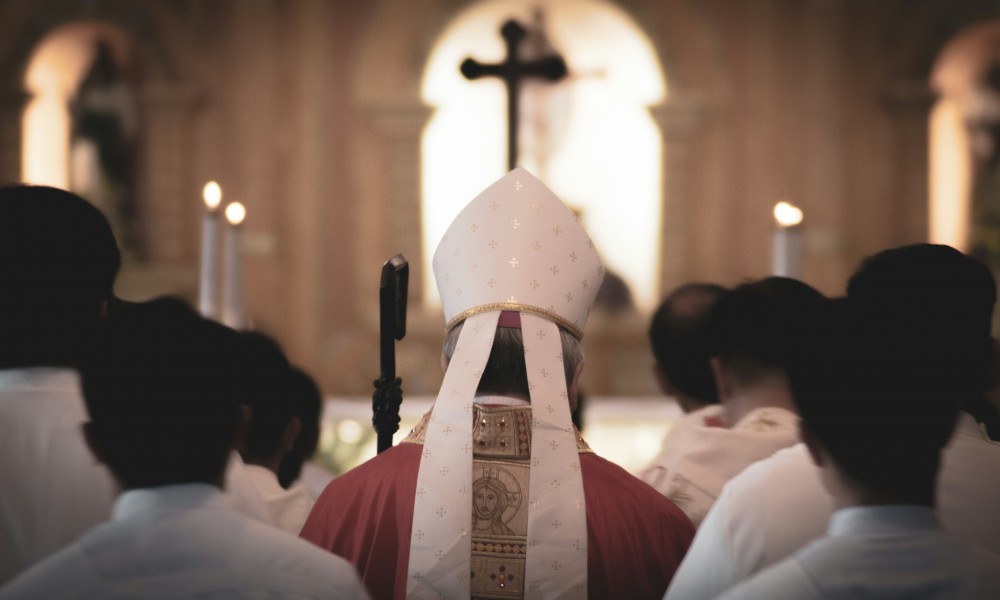
Some people within the Church take a vow of poverty
When discussing inheritances involving priests, religious men, and nuns, the risk of misunderstanding is very high. The idea that members of the Church cannot own property, much less pass it on as an inheritance , is still deeply rooted in the collective imagination . In reality, this belief is only partially true and, in most cases, is legally unfounded. To truly understand how inheritances work in these cases, it is essential to distinguish between two different regulatory frameworks: Italian civil law and canon law.
Succession: what the law provides and what rules to follow
Civil law governs patrimonial relationships between citizens and regulates inheritance matters in detail . Canon law, on the other hand, governs the internal life of the Church and establishes the religious obligations of its members. These are two autonomous systems, which do not overlap and which produce different effects. A consecrated person, while bound by religious rules, remains in all respects a legal subject for the Italian state, with full legal capacity, except for specific limitations that have exclusively ecclesiastical relevance.
In the case of diocesan priests, the picture is fairly straightforward. Priests do not take a vow of poverty and, consequently, can own personal property, receive inheritances, enter into contracts, and make a will like any other citizen. Upon their death, succession is governed by the ordinary rules of the civil code. If the priest left a will, the assets will be distributed according to his wishes, respecting the legitimate portion. In the absence of a will, legitimate heirs will come into play: parents, siblings, other relatives, and, if present and legally recognized, any children, if the religious conversion occurred late in life.
What is the vow of poverty and what does it entail?
It consists of the absence of one's own personal assets, in order to pursue one's spirituality towards the Church. Consequently, in the event of a bequest, the interested party must renounce the inheritance.
The decisive moment is the taking of solemn vows, particularly the vow of poverty. Before final religious profession, the religious retains full control of their property, can inherit, and can freely dispose of it, even through a will. It is no coincidence that many congregations require that all patrimonial matters be settled before solemn vows.
After taking vows, however, the vow of poverty entails the canonical prohibition of owning personal property. Property already owned is usually ceded to the order or assigned to heirs through acts performed before profession. Inheritances accruing subsequently are often renounced in advance or assigned to the order according to the congregation's internal rules.
However, and this is where many misunderstandings arise, from a civil law perspective the situation is different. If a clergyman or nun accepts an inheritance without formally renouncing it, the tacit acceptance is fully valid under the law. Any obligation to transfer those assets to the order is solely a matter of canon law and does not affect the civil validity of the inheritance. In other words, the State recognizes the inheritance as legitimately acquired, even if the Church subsequently imposes a different destination of the assets.
What to do if you don't take a vow of poverty?
In the absence of a vow of poverty, the cleric retains full patrimonial capacity and is not legally obliged to renounce the inheritance . However, it is essential to evaluate the personal intentions of the religious heir. The latter may in fact choose to:
- proceed with the renunciation of the inheritance in any case;
- accept the inheritance and acquire it into one's personal estate;
- accept the inheritance and subsequently donate the assets to the Church or relevant religious organization.
Verification of the vow of poverty represents an essential step in managing successions involving religious individuals, as it directly impacts the ability to inherit, the methods of managing the inheritance, and the legal choices the interested party is required to make.
Inherited assets in Italy and physical presence abroad: what to do
Many priests, nuns or members of religious orders may be abroad at the time of the opening of the succession, a circumstance often linked to the carrying out of missions or tasks connected to religious life.
In such cases, if the estate is located in Italy and the interested party resides abroad, it is still possible to accept the inheritance, if this corresponds to the wishes of the clergy member, and proceed with the inheritance . If, however, the individual wishes to renounce the inheritance, he or she may contact the competent Italian Consulate to complete the formalities required by current legislation. The procedure would still need to be concluded with the competent Italian court.
Assets inherited abroad and physical presence in Italy: what to do
Many religious men and women, while habitually carrying out their ministry abroad, also find themselves exercising their functions in Italy, either temporarily or continuously. This is particularly the case for nuns in Italy, who can inherit assets from their family of origin. This can have significant tax and inheritance implications, especially regarding the management of assets inherited outside of Italy and the reporting obligations associated with physical presence in one's home country. Indeed, the first step is to consult competent professionals, as the inheritance laws of the country of origin, not Italian ones, must be complied with.
Relying on professionals with expertise in inheritance matters, such as those at the Agenzia delle Successioni, who can properly protect the rights of heirs and interpret the legislation without inappropriate overlap, may be the right solution. If you find yourself in a situation similar to the one described, you can fill out the form and request a consultation.
Customer Service
Customer support is available Monday to Friday, from 9:00 AM to 5:00 PM.
Fill out the Form
Consult the expert professional in the field
Fast response and personalized assistance!


